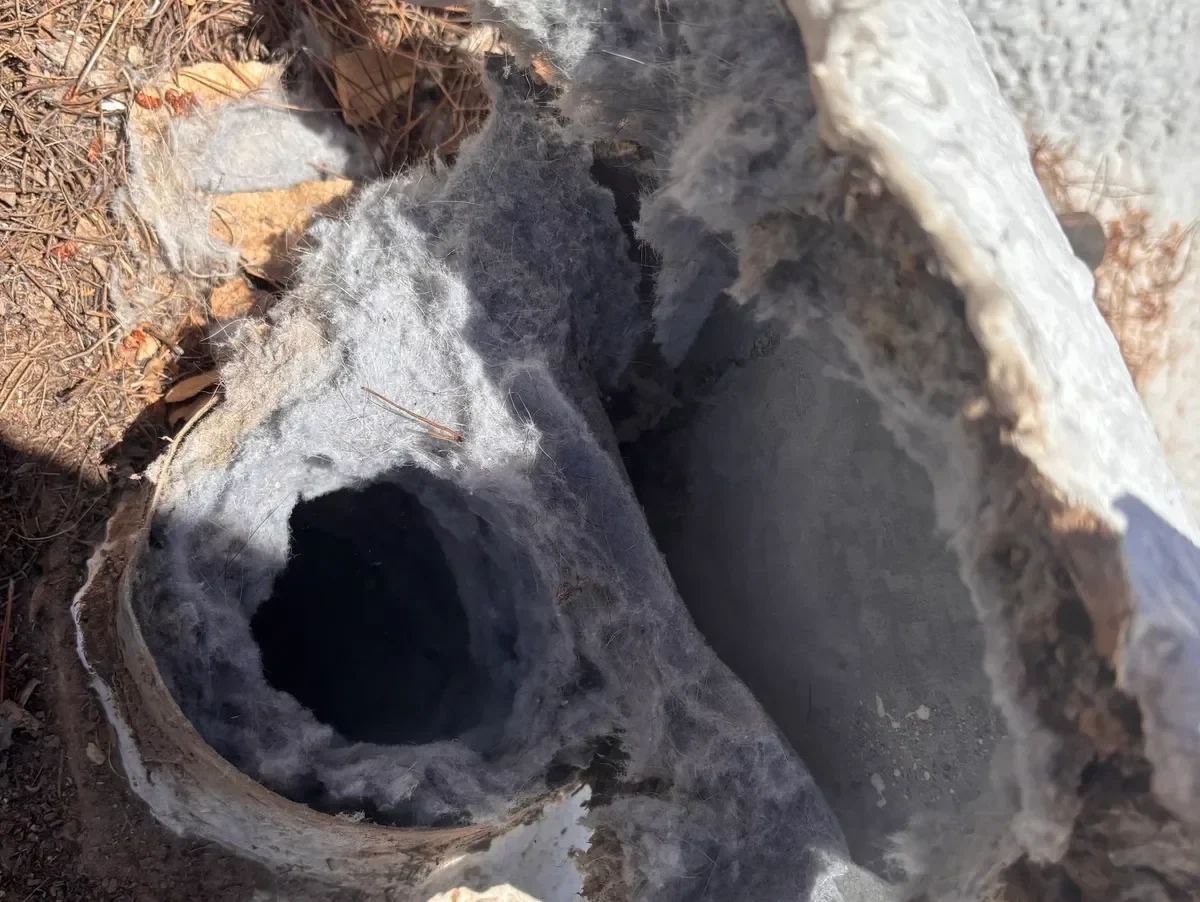
Bird nest in a dryer vent
With the preserve along the whole northern boundary, an unguarded cap here is about as good a nesting site as exists in the Valley. It closes the duct completely and becomes a fire risk the moment the machine runs.
Calls answered 7am to 8pm · same-day service usually available
Tell us what you can hear and where in the house. You get our view before anybody climbs anything.
How to tell that is what you have
- Scratching, chirping or rustling in the wall or ceiling near the laundry
- The appliance went from fine to useless inside a few days rather than gradually
- Twigs, dry grass or feathers on the ground beneath the termination
- The same birds returning to the same spot on the roof
- A strong smell while a cycle runs
- The machine cutting out partway through, or posting a code
- It is somewhere between February and May
The tempo is the giveaway. Lint takes years. A nest is built in days.
Why this village gets it worse than most
South Mountain Park is the largest municipal park in the United States and it runs along the entire northern edge of Ahwatukee. A great many of these streets back directly onto undeveloped desert.
What a bird is after is height, shelter, a small opening and a warm cavity behind it. A vent hood on a tile roof, on a street bordering thousands of acres of preserve, ticks every box, and there is far less competition for it than there would be in a built-out suburb.
The flap is meant to be the defense. It lifts under airflow and drops shut when the cycle ends. In the original housing those flaps have been in unshaded sun for five decades, and in Mountain Park Ranch for three. A large proportion of them no longer close, and nobody notices, because the dryer still works and the cap is twenty feet up.
Why it is more than an inconvenience
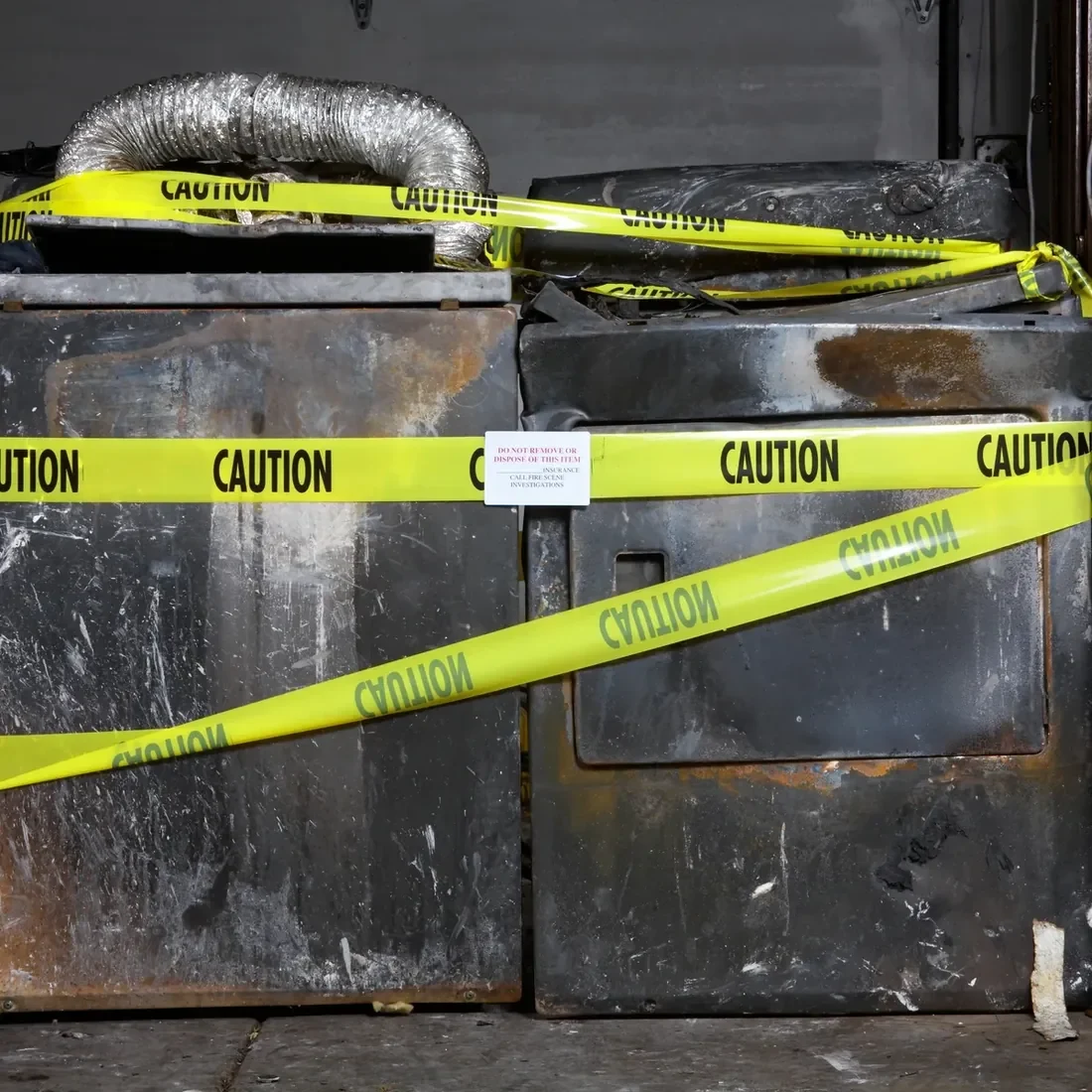
Fire
The figures below are published by the National Fire Protection Association rather than by us. In their data, failure to clean is the largest single contributing factor in dryer fires and lint is the material most likely to catch first. A nest is that hazard compressed into a few inches and built from tinder.
Source: National Fire Protection Association, Home Fires Involving Clothes Dryers and Washing Machines.
Moisture
Every load has to discharge its humidity somewhere. Fully obstructed, it goes into the wall cavity, which in time becomes damaged drywall and mould.
The appliance
A completely blocked duct has the thermal fuse intervening constantly. Some machines cut out mid-cycle or post a code, which at least tells you something is wrong. Others quietly cook themselves for months.
The birds
Put bluntly, running the machine with a nest in the duct kills whatever is in the nest. For most people that settles the question of whether to carry on doing laundry and hope it resolves itself.
Why not to go up and deal with it
The roof
A two-story concrete tile roof here is a genuine hazard. Tile splits where you step wrong, and a split piece shows up later as water coming in.
The law
Season and species determine whether an occupied nest falls under the Migratory Bird Treaty Act, federal legislation covering most native North American species, under which disturbing an active nest holding eggs or young is an offense.
You will be told which of those you are actually dealing with rather than us assuming or simply pulling it out. An abandoned nest and an occupied one are not the same decision.
A guard, not a screen
Hardware cloth is the instinctive fix, because it costs almost nothing and visibly keeps birds out. It also intercepts every fiber the machine produces, so within a season the duct is obstructed by your own lint rather than by wildlife.
Code does not allow it. The termination has to open freely under airflow and screens are specifically excluded, for exactly this reason. A purpose-made guard passes lint and stops birds. Where a previous owner has screened a cap, we find it and say so.
Properly rather than quickly
There is a fast version. Reach up, pull the nest, seat the cap, leave, ten minutes gone. It resolves nothing, because the compacted material the nest had been holding back is still in the run and the defective cap that admitted one bird will admit the next.
How we handle it: establish what is up there and whether it is occupied, take it out, brush the run end to end, then fit a correct guard and check the hood and flap while we are in position. Slower, and the only version that does not put you back here next February.
Keeping them out
- A guard on the cap, which is the actual fix
- A flap that closes properly when the machine is off
- An intact hood, so there is no open ledge to build on
- Looking at it in January or early February, ahead of the season
- Having the duct done on schedule, so somebody is inspecting that cap regularly
Questions
How do I know that is what it is?
Speed gives it away. Lint chokes a duct over years, whereas a nest appears inside a weekend, so the appliance goes from working to useless almost between loads. Listen for scratching or chirping in the wall or ceiling near the laundry, and look for grass and feathers on the ground beneath the termination.
Is it genuinely dangerous?
It is. Dry nesting material sits pressed against a duct carrying heated air, with however much lint the nest has been damming up behind it. The obstruction also drives every load's moisture back into the wall cavity instead of outside.
Can I clear it myself?
We would advise against it. A two-story tile roof in this climate is a real fall risk and the tile splits underfoot, which turns into water ingress. Beyond that, an occupied nest can carry federal protection under the Migratory Bird Treaty Act depending on species and season.
What stops it happening again?
A manufactured cap with a bird guard, sized so lint passes and birds do not. Not screen mesh. Code is explicit on this: the termination must open freely under airflow and screens are excluded, because they pack with lint and become the hazard they were meant to prevent.
When is nesting season?
Broadly February through May for most of the species that take an interest in vent caps here, though it shifts year to year. Late January is the time to look at yours.
Why does Ahwatukee get this so much?
Because South Mountain Park runs along the entire northern boundary. Thousands of acres of undeveloped desert next door produces considerably more birds hunting for nesting sites than a built-out suburb does, and an unguarded cap on a boundary street is close to ideal.
Calls answered 7am to 8pm · same-day service usually available
Nest removal plus the full duct clean. Ring and describe what you can hear.